In a stunning development that reads like science fiction, researchers have successfully enabled paralyzed individuals to regain control of their limbs through revolutionary brain-computer interface technology. This breakthrough represents the culmination of decades of research and offers tangible hope to millions suffering from spinal cord injuries and neurological disorders worldwide.
The pioneering study, conducted by an international team of neuroscientists and engineers, has demonstrated that signals from the brain can be decoded and rerouted around damaged neural pathways to stimulate muscle movement. Patients who had been completely paralyzed for years have now achieved what doctors are calling "remarkable functional recovery" - from grasping objects to performing coordinated arm movements that were previously impossible.
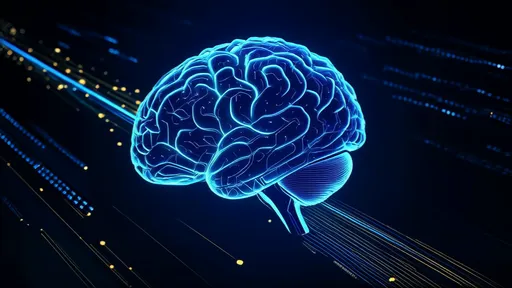
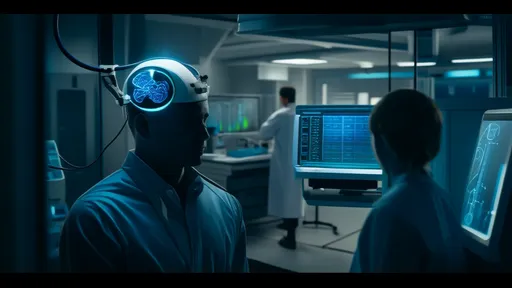
How does this technological marvel work? The system begins with a sophisticated neural implant that records brain activity when patients imagine moving their paralyzed limbs. These signals are then processed by advanced algorithms that translate thoughts into digital commands. What makes this new approach extraordinary is the creation of an artificial connection that bypasses the spinal injury entirely, sending movement instructions directly to electrical stimulators attached to the patient's muscles.
Dr. Elena Rodriguez, lead researcher on the project, describes the emotional moment when patients first regained movement. "We witnessed tears of joy as participants who hadn't moved their arms in years suddenly reached out to touch their loved ones. The psychological impact cannot be overstated - it's about restoring dignity and autonomy along with physical function."
The technology represents a significant leap forward from previous brain-computer interfaces that primarily controlled external devices like robotic arms or computer cursors. This new system establishes what scientists call a "digital bridge" between the brain and the body's own muscles, creating a closed-loop system that actually helps reinforce and rebuild neural connections through repeated use.
Perhaps most impressively, patients have shown continued improvement even when not using the system, suggesting that the brain is relearning how to control limbs through what researchers term "neural rehabilitation." This phenomenon indicates that the technology might not just provide temporary assistance but could potentially facilitate long-term recovery through neuroplasticity - the brain's remarkable ability to reorganize and form new connections.
The road to human trials involved extensive testing with non-human primates before receiving approval for human subjects. The research team spent years refining the algorithms to accurately interpret neural signals and developing safety protocols to ensure the brain implants wouldn't cause inflammation or rejection. The current implants use biocompatible materials that minimize immune response and are designed for long-term stability within the brain's delicate tissue.
While the technology remains invasive, requiring surgical implantation of microelectrode arrays, the latest generation of devices represents a dramatic improvement over earlier models. The new arrays feature thousands of microscopic electrodes that can record from individual neurons with unprecedented clarity, while being significantly smaller and more flexible than previous versions, reducing the risk of tissue damage.
Patients involved in the clinical trials undergo extensive training to master the system. Initially, they practice imagining movements while watching avatars respond on screens, gradually building the mental patterns that the computer learns to recognize. This training period typically lasts several weeks before the system is activated to control their actual limbs. The learning curve varies between individuals, but most achieve basic control within days of activation.
The implications extend far beyond spinal injury treatment. Researchers believe this technology could eventually help stroke survivors, people with ALS, and those suffering from other neurological conditions that disrupt communication between the brain and body. The fundamental understanding of how the brain encodes movement intentions has already advanced significantly through this research, contributing valuable knowledge to neuroscience as a whole.
Of course, challenges remain before this technology becomes widely available. The current systems require significant computing power and calibration, making them impractical for home use without further miniaturization and simplification. Researchers are working on wireless systems that would eliminate external connections, reducing infection risk and improving quality of life for users.
Ethical considerations also demand careful attention as this field advances. The ability to read and interpret brain signals raises important questions about privacy and cognitive liberty. The research team has implemented strict protocols to ensure that only movement-related signals are decoded, with multiple safeguards against unauthorized access to other brain activity.
Looking forward, the technology might eventually incorporate sensory feedback, creating a complete loop that would allow users to "feel" through their regained movements. Early experiments have shown promising results with sensors that detect pressure and temperature, sending signals back to the brain through the same interface. This would represent another quantum leap in restoring natural movement.
The research community has responded with enthusiastic optimism while emphasizing the need for continued rigorous testing. Independent experts have called for larger clinical trials to establish efficacy across diverse patient populations and injury types. Regulatory agencies are closely monitoring developments as they work to establish frameworks for evaluating and approving such revolutionary medical technology.
For now, the patients participating in these early trials are experiencing life-changing improvements. Many describe the experience as "getting part of themselves back" after years of dependence on caregivers. The psychological benefits appear almost as significant as the physical ones, with participants reporting improved mood, self-esteem, and overall quality of life.
This breakthrough stands as a testament to interdisciplinary collaboration between neuroscientists, engineers, clinicians, and most importantly, the patients who courageously volunteered for these pioneering trials. Their contributions have paved the way for what many believe will become standard treatment for paralysis within the coming decades.
As the technology continues to evolve, researchers envision increasingly sophisticated systems that might eventually restore near-natural movement and sensation. The current success represents just the beginning of what brain-computer interfaces might achieve in restoring function and improving lives for those with neurological impairments.
By /Aug 25, 2025
By /Aug 25, 2025

By /Aug 25, 2025

By /Aug 25, 2025
By /Aug 25, 2025

By /Aug 25, 2025
By /Aug 25, 2025
By /Aug 25, 2025

By /Aug 25, 2025
By /Aug 25, 2025
By /Aug 25, 2025
By /Aug 25, 2025
By /Aug 25, 2025

By /Aug 25, 2025
By /Aug 25, 2025

By /Aug 25, 2025
By /Aug 25, 2025

By /Aug 25, 2025
By /Aug 25, 2025
By /Aug 25, 2025