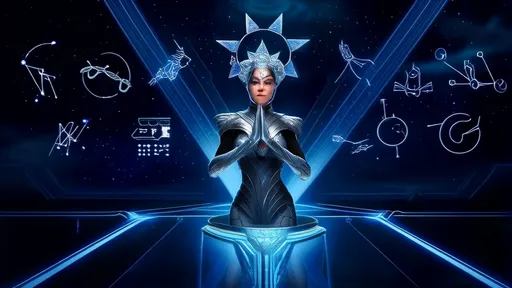
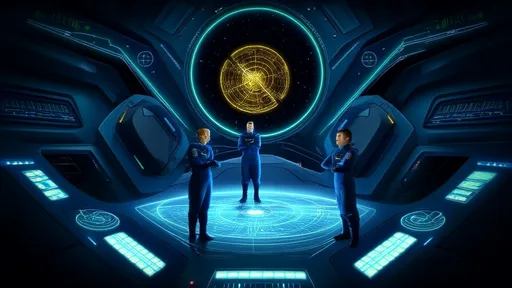
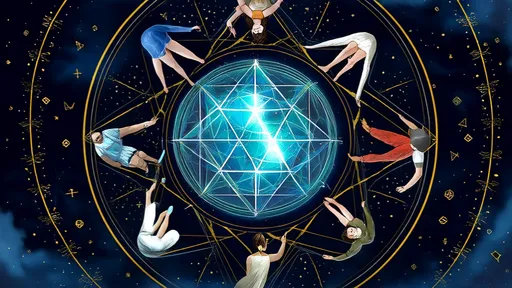
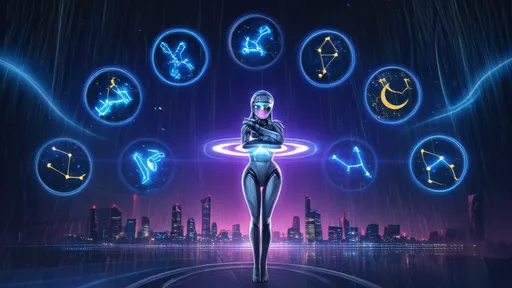
In the shadowed corridors of dystopian fiction, a peculiar astrological framework has emerged from the collective unconscious—one that maps not celestial bodies but human resilience. The Zodiac of Dystopian Adaptability has become an underground language among scholars and survivors alike, offering a cryptic guide to navigating oppressive regimes, collapsed ecosystems, and psychological warfare. Unlike traditional astrology that charts personality traits or fate, this system categorizes how different archetypes endure, resist, or transform under extreme societal control.
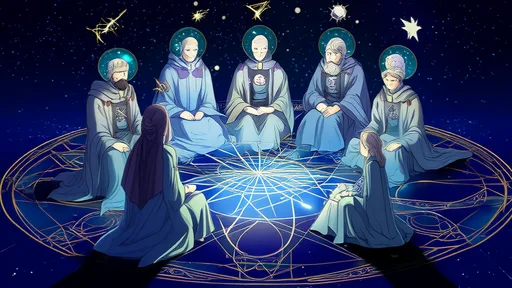
The origins of this zodiac are as fragmented as the societies it describes. Some trace it to whispered conversations in resistance safe houses, where activists noted patterns in how individuals responded to surveillance states. Others believe it evolved from academic analyses of historical regimes—from Orwell’s Oceania to Atwood’s Gilead—where certain human traits consistently determined survival. There are no ancient texts or star maps; instead, this zodiac lives in oral traditions, digital dead drops, and graffiti on ruined walls. Its twelve signs are not named for constellations but for behaviors observed across countless dystopian narratives and real-world authoritarian systems.
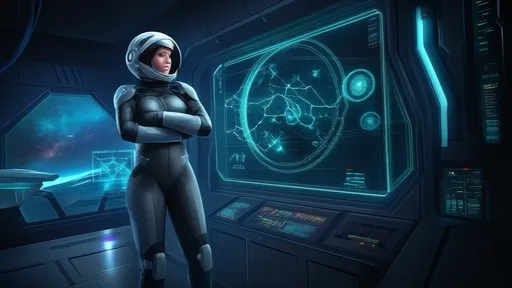
The Sentinel, for instance, embodies hyper-vigilance. These individuals possess an almost preternatural awareness of their environment—noting shifts in propaganda rhetoric, detecting new surveillance technologies, or sensing impending crackdowns. Sentinels thrive in societies where trust is obsolete and danger lurks in every interaction. Their adaptability lies in their ability to parse patterns in chaos, though this constant alertness often erodes their capacity for intimacy or rest. They are the watchers who never sleep, their resilience forged in perpetual suspicion.
Then there is The Weaver, who survives not through confrontation but connection. In worlds designed to isolate and alienate, Weavers build clandestine networks—using forgotten technologies, coded language, or even folk traditions to maintain human bonds. Their strength is subtlety: they might organize underground libraries, create mutual aid systems, or preserve forbidden art forms. While Sentinels monitor threats, Weavers stitch together the fabric of community beneath the state’s gaze. Their adaptability is rooted in collaboration, though they risk annihilation if their webs are discovered.
The Alchemist represents transformation under pressure. These individuals take the oppressive materials of their society—propaganda, fear, scarcity—and repurpose them into tools of resistance or survival. An Alchemist might turn surveillance data into counter-intelligence, weaponize bureaucratic inefficiency, or distill despair into revolutionary art. Their resilience is alchemical: they find freedom in constraints, innovation in deprivation. Yet this sign walks a razor’s edge; too much adaptation can lead to assimilation, where the rebel becomes the system’s unwitting servant.
Contrast this with The Anchor, who adapts through unwavering stability. In societies that manipulate truth and memory, Anchors serve as living repositories of history, ethics, or cultural identity. They might be elders who remember pre-regime times, teachers who covertly pass on forbidden knowledge, or simply individuals whose moral compass remains unbroken by coercion. Their resilience is passive but profound—a refusal to be eroded. While they may not actively fight, they become reference points for others, though their rigidity can make them vulnerable to targeted persecution.
Another critical archetype is The Echo, who masters mimicry. Echos blend seamlessly into oppressive environments, mirroring the language, behaviors, and beliefs of the regime without internalizing them. Their adaptability is performative; they survive by becoming invisible, their true selves hidden behind curated conformity. This sign excels in societies where dissent is fatal but anonymity is possible. However, the psychological toll of this duality is steep—many Echos struggle with identity fragmentation or moral injury after years of deception.
Meanwhile, The Spark ignites change through calculated disruption. These individuals adapt not by enduring but by provoking—engineering crises that expose system flaws, organizing symbolic acts of defiance, or creating cascading failures in authoritarian infrastructure. Their resilience is kinetic and high-risk; they leverage the society’s own mechanisms against it. Sparks often have short lifespans but long legacies, their actions creating openings for others. Their adaptability lies in turning oppression into a catalyst, though they frequently become martyrs or legends.
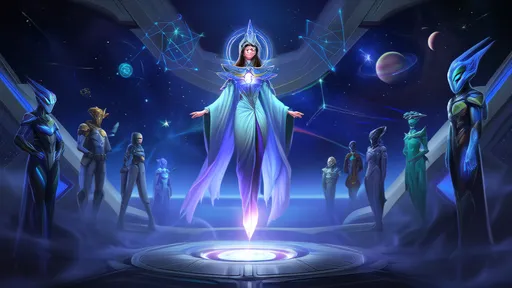
The zodiac also includes signs like The Forager, who navigates resource scarcity with ingenuity; The Ghost, who exploits digital or physical gaps in control systems; and The Dreamer, who preserves hope through imagination and narrative. Each sign interacts with the others, creating a dynamic ecology of resistance and survival. A Weaver might protect a Spark, an Alchemist could supply a Sentinel, and an Anchor grounds an Echo. This interdependence mirrors how real resilience operates in dystopian conditions—not as individual heroism but as collective symbiosis.
Critics argue that this zodiac romanticizes suffering or reduces complex human responses to simplistic categories. Yet proponents insist it is a diagnostic tool, not a destiny. Understanding these archetypes helps communities allocate roles during crises, anticipate vulnerabilities, and cultivate diverse survival strategies. In study groups from Berlin to Buenos Aires, activists analyze which signs are overrepresented or missing in their movements, using the framework to strengthen their resistance ecosystems.
The Zodiac of Dystopian Adaptability reflects a grim truth: as authoritarianism and crisis define more of our world, we are forced to develop specialized survival skills. This framework names them, studies them, and honors them. It acknowledges that resilience is not monolithic—it is a spectrum of strategies, each with costs and powers. And perhaps, in mapping how humans endure darkness, it also hints at how we might one day build light.
By /Aug 25, 2025

By /Aug 25, 2025
By /Aug 25, 2025

By /Aug 25, 2025
By /Aug 25, 2025
By /Aug 25, 2025

By /Aug 25, 2025
By /Aug 25, 2025

By /Aug 25, 2025
By /Aug 25, 2025

By /Aug 25, 2025
By /Aug 25, 2025
By /Aug 25, 2025
By /Aug 25, 2025

By /Aug 25, 2025
By /Aug 25, 2025

By /Aug 25, 2025
By /Aug 25, 2025

By /Aug 25, 2025

By /Aug 25, 2025